
About Megan Bruneau, M.A. Psych.
Most perfectionism isn’t about high standards. It’s about staying one step ahead of a feeling. Underneath the overworking, the procrastinating, the people-pleasing, and the 2 a.m. replay of a meeting that went fine, there’s usually shame: a quiet belief that your worth depends on how you perform. It works, until it shows up as burnout, self-sabotage, numbing out, or keeping people at a distance.
Megan has worked with this pattern for nearly two decades. She started on a crisis line in 2006, spent nearly a decade as a psychotherapist, then moved to New York, where she coached founders, executives, and other high achievers. She’s now based in Nashville, works with clients around the world, and is the founder of Off The Field Coaching. She also knows perfectionism from the inside, which is a big part of why she does this work.
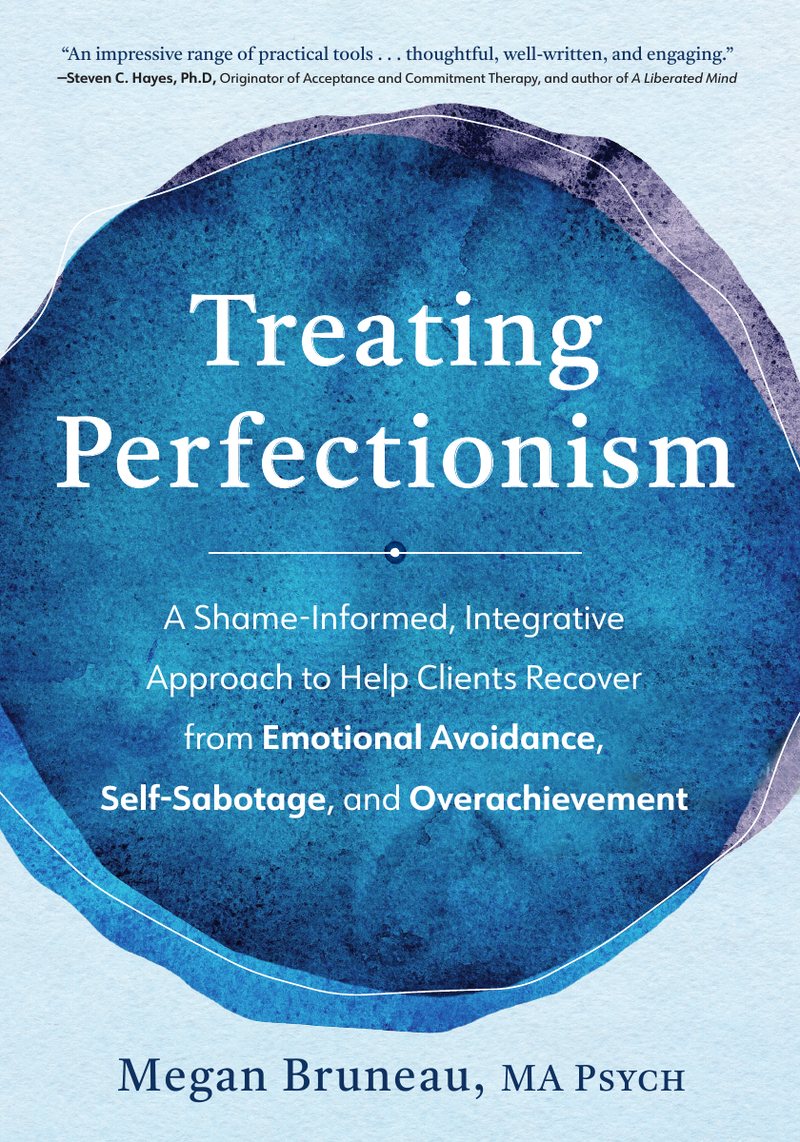
In January 2027, PESI Publishing releases her clinical manual, Treating Perfectionism, which gives therapists and coaches a shame-informed model and practical tools for helping clients keep their standards without the self-punishment. She’s also the author of How to Be Alone (and Together).
Megan writes about psychology and business for Forbes and hosts The Failure Factor, where entrepreneurs talk openly about the failures that shaped them. Her writing, video, and audio have reached more than 30 million views, and her expertise has appeared in The New York Times, Good Morning America, Business Insider, Psychology Today, and Quartz. She previously hosted Better Because of It, a podcast that’s still a listener favorite.
Training & approach
Megan’s work is IFS-informed and grounded in attachment and the body. She holds an M.A. in Counselling Psychology from Simon Fraser University and a B.A. in Psychology from UBC, and spent nearly a decade as a psychotherapist.
She has trained in Acceptance and Commitment Therapy (ACT), Emotionally Focused Therapy (EFT externship), AEDP, Dialectical Behavior Therapy, Narrative Therapy, Motivational Interviewing, Existential Analysis, exposure and response prevention (ERP) for OCD, grief therapy, mindfulness-based therapy, and crisis intervention. Her somatic and trauma training includes Diane Poole Heller’s somatic attachment work, Frank Anderson’s Integrated Trauma Therapist program, and Polyvagal Theory with Stephen Porges. She has also trained in psychedelic-assisted therapy with Numinus.
Treating Perfectionism brings together what works best from all of this for perfectionism, in one model clinicians and coaches can use in session.